24 Hour HAZWOPER

This online 24 hour HAZWOPER course meets OSHA training requirements under 29 CFR 1910.120 (e). This course is designed for workers with limited exposure to hazardous materials. Students learn through interactive modules, self-assessment quizzes, and a final exam, with an instant 24 hour HAZWOPER certificate issued upon successful completion. Employers are responsible for providing additional site-specific and hands-on training as required.

$195.00


Group Name:
Seats:
Total: $0.00 Discounted price
Courses in this Group

Course Demo

Your Title Goes Here

Your content goes here. Edit or remove this text inline or in the module Content settings. You can also style every aspect of this content in the module Design settings and even apply custom CSS to this text in the module Advanced settings.

Course Description

Our Hazardous Waste Operations and Emergency Response (HAZWOPER) 24 Hour HAZWOPER Training was developed using Occupational Safety and Health Administration (OSHA) guidance documents in combination with extensive real-world field experience. This course is commonly referred to as OSHA 24, HAZWOPER 24, or the 24 Hour HAZWOPER.

In accordance with OSHA 29 CFR 1910.120 (e), this training is required for individuals who plan to work on or around designated HAZWOPER sites. Upon successful completion, participants receive a certification that is widely recognized and accepted by regulatory authorities. The program is self-paced, giving students the flexibility to complete the course on their own schedule.

The curriculum incorporates self-assessment quizzes, interactive learning modules, and a final examination. Quizzes may be repeated as often as necessary to reinforce comprehension, while the final exam allows up to three attempts. Once completed successfully, an electronic certificate of completion is issued and delivered via email.

It is important to note that the 24 Hour HAZWOPER Training is delivered online. OSHA regulations require that employers also provide employees with site-specific, hands-on training on the actual personal protective equipment (PPE) and tools they will use on the job. This practical instruction must meet performance-based standards and may be conducted in a classroom or field setting.

Most individuals who require 24 hour HAZWOPER certification do not routinely wear PPE. However, in cases where PPE is necessary, employers are responsible for ensuring workers receive additional hands-on instruction with the exact equipment used in the field. This training is conducted in conjunction with the online 24 hour HAZWOPER course to ensure full compliance and workplace safety.

Course Features

  • Cross-Platform Accessibility – Training can be accessed on Mac, PC, and mobile devices.
  • Subject Matter Experts (SMEs) – Our in house SME’s wrote and developed this online training course.

  • High-Resolution Imagery – High-definition images enhance the training material.

  • Comprehensive Interactive Learning – Fully interactive modules create an engaging learning experience.

  • Continuing Education Credits – Earn CEUs upon successful course completion.

  • Automated Assessment – Includes knowledge checks, quizzes, and a final exam for certification.

  • Certification – Downloadable 8×10 certificate awarded upon course completion.

  • Extended Course Entry – Enjoy course access for one full year after registration.

Course Outline

Module 1: Government and Private Agencies

– Introduction

– Government Agencies

– Department of Labor

– Department of Health & Human Services 

– US Environmental Protection Agency

– US Department of Transportation

– US Department of Energy

– US Nuclear Regulatory Commission

– State Plans

– Code of Federal Regulations

– Scope and Application of HAZWOPER

– Other Organizations

– ANSI

– NFPA

– AGIH

Module 2: Training Requirements

– Training

– Supervisors 

– Employees

Module 3: Planning and Organization

– Planning and Organization 

– Organization Chart

– Work Plan

Module 4: Health and Safety Plan Part 1

– 10 Elements of a Health and Safety Plan 

– Hazard Analysis

– Employee Training

– Personal Protective Equipment

– Specific Medical Monitoring 

– Air Monitoring

Module 5: Health and Safety Plan Part 2

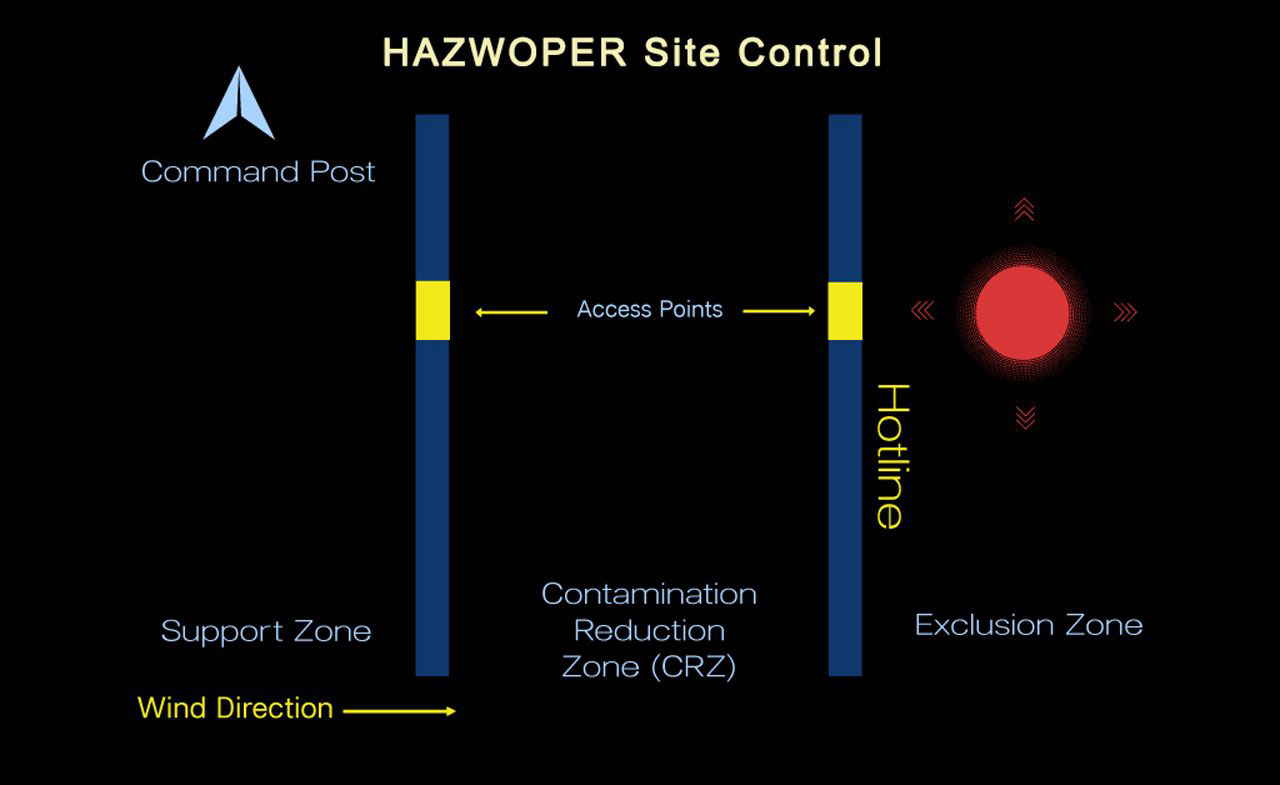
– Site Control

– Decontamination

– Emergency Response

– Confined Spaces

– Spill Containment

– New Technologies

– Health Effects

– Acute Exposures

– Chronic Exposures

Module 6: Toxicology Part 1

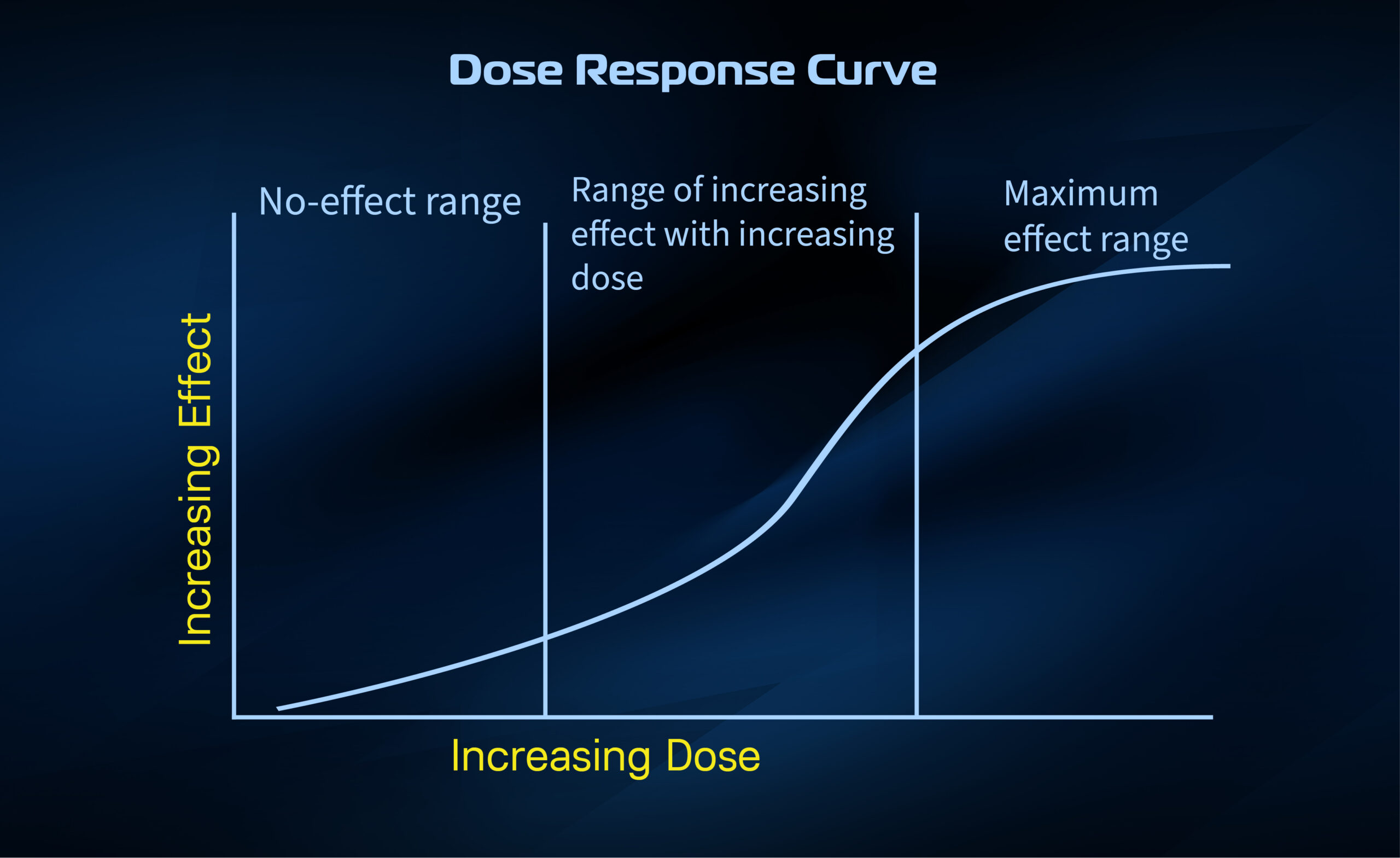
– Dose Response Relationship 

– Toxicity and Hazard

– LD50 and LC50

Module 7: Toxicology Part 2

– Four Routes of Exposure 

– Inhalation

– Ingestion

– Absorption

– Injection and Contact 

– Chemicals in The Body 

– Target Organs

– Chemical Interaction

Module 8: OSHA Exposure Limits

– Factors Determining Toxicity

– Chemical Factors

– Exposure Factors

– Environmental Factors

– Exposure Limits

– PLV

– TLV

– REL

– TWA

– STEL

– Ceiling Limits

– IDLH

Module 9: NIOSH Pocket Guide

– Sections

– 16 sections of NIOSH Pocket Guide

Module 10: Labels and Placards

– NFPA and DOT

– NFPA 704 Diamond

– DOT Placards and Labels 

– HAZCOM/GHS

Module 11: Physical Properties

– Water

– Boiling Point

– Flash Point

– Vapor Pressure

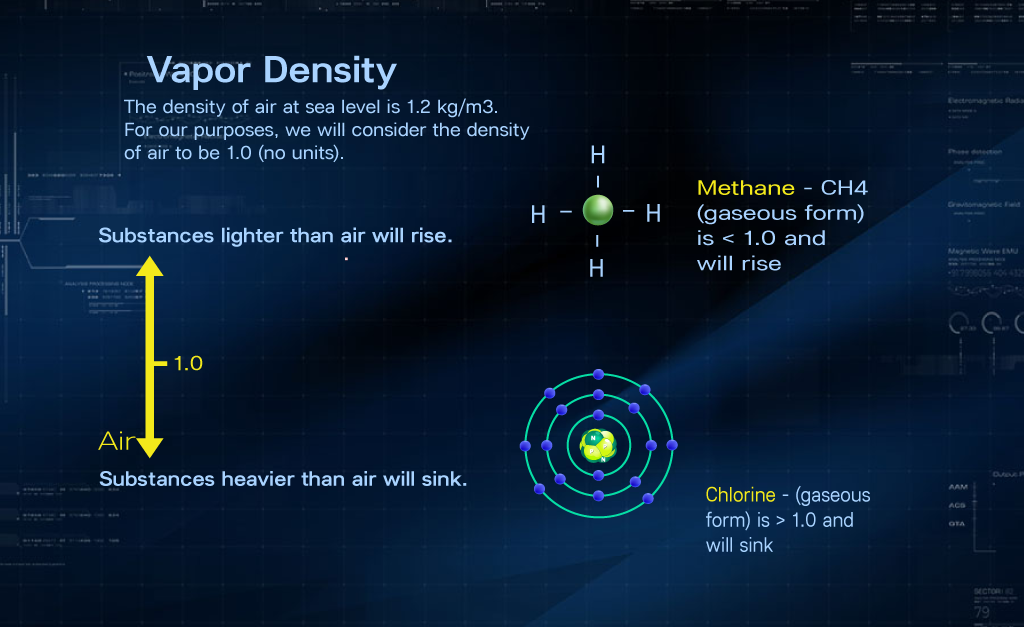
– Density

– Solubility

– Melting Point

– Flammability

– Phase Diagram of Water 

– pH scale

– Radiation Types

– Fire Triangle

Module 12: Hazards Part 1

– Chemical exposure 

– Explosion and fire 

– Oxygen deficiency

Module 13: Hazards Part 2

– Ionizing radiation 

– Biologic hazards 

– Safety hazards

– Electrical hazards 

– Heat stress

– Cold stress

Module 14: Hazards Part 3

– Cold Stress (cont’d) 

– Heat Stroke

– Noise

– Illumination

– Administrative Controls

Module 15: Medical Surveillance

– Developing a Program

– Pre-employment Screening

– Periodic Medical Examinations

– Termination Examination

– Emergency Treatment

– Non-emergency Treatment

– Medical Records

– Program Review

Module 16: Site Characterization

– Offsite Characterization

– Onsite Survey

– Information Documentation

– Hazard Assessment

Module 17: Air Monitoring

– Measuring Instruments

– Site Monitoring

– Personal Monitoring

– Hazardous Waste Site Exposure

Module 18: Personal Protective Equipment Part 1

– Developing a PPE Program

– Selection of Respiratory Equipment 

– Positive Pressure Respirators

– Negative Pressure Respirators

– Facepiece Types

– Factors Affecting Respirator Seal 

– Assigned Protection Factor

Module 19: Personal Protective Equipment Part 2

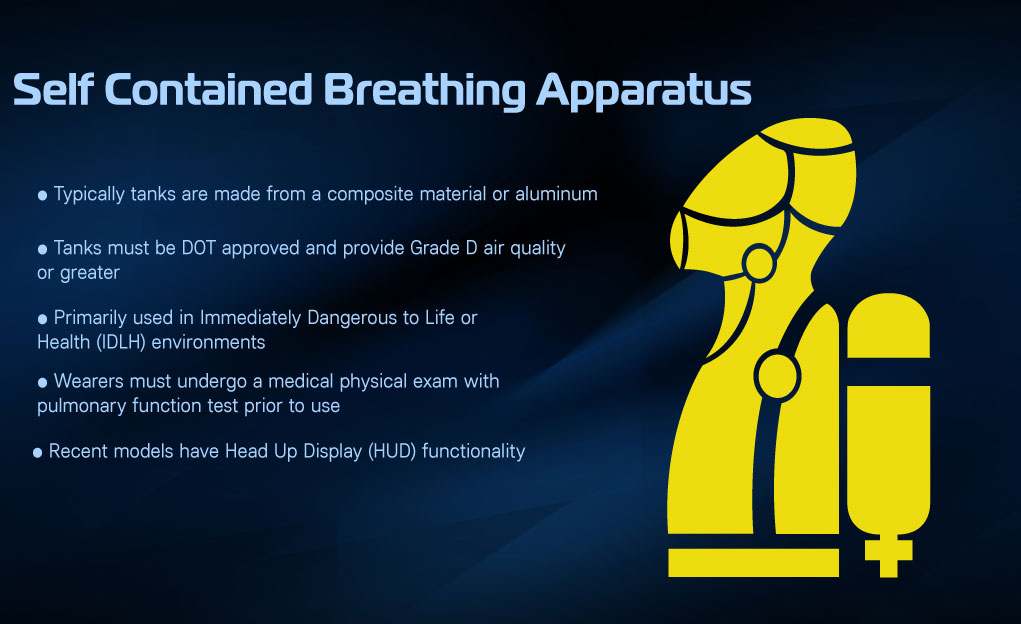
– Self-Contained Breathing Apparatus (SCBA) 

– Supplied Air Respirators (SARs)

– Combination of SCBA/SAR

– Air-Purifying Respirators

– Respirator Fit Test 

– User Seal Check

Module 20: Personal Protective Equipment Part 3

– Selection of Protective Clothing and Accessories 

– Selection of Chemical

– Protective Clothing (CPC) 

– Permeation and Degradation

– Heat Transfer Characteristics

– Selection of Ensembles 

– PPE Use

Module 21: Personal Protective Equipment Part 4

– PPE Use Continued

– Heat Stress and Other Physiological Factors

Module 22: Site Control

– Site Map

– Site Preparation

– Site Work Zones

– Exclusion Zone

– Contamination Reduction Zone 

– Support Zone

– Buddy System

Module 23: Decontamination

– Decontamination Plan

– Prevention of Contamination

– Types of Contamination

– Decontamination Methods

– Effectiveness of Decontamination 

– Health & Safety Hazards

– Decontamination Facility Design 

– Disposal Methods

Module 24: Drum and Container Management

– Inspection 

– Planning

– Handling 

– Opening

– Sampling

– Characterization 

– Bulking

– Shipping

Module 25: Site Emergencies

– Planning

– Personnel

– Training

– Communications

– Site Mapping

– Safe Distances and Refuges

– Evacuation Routes and Procedures 

– Medical Treatment/First Aid

– Emergency Response Procedures 

– Documentation

Course Features Video

Gas mask against a cloudy sky

Accreditation

This course meets the eligibility for Continuance of Certification (COC) points awarded by the Board of Certified Safety Professionals (BCSP). 

Duration

24 hours (regulatory requirement) – you may login and logout to accrue your study time.

Certificate

After successfully passing a final exam, you can immediately download your official certificate. A copy is stored in our site database should you need additional copies. View Certificate Example

HAZWOPER Course Comparison

Select Course Screenshots

Frequently Asked Questions

Your Title Goes Here

Your content goes here. Edit or remove this text inline or in the module Content settings. You can also style every aspect of this content in the module Design settings and even apply custom CSS to this text in the module Advanced settings.

Who needs 24 hour HAZWOPER training?

This training is ideal for:

  • Occasional site workers at hazardous waste sites

  • Supervisors with limited exposure

  • Onsite contractors not involved in cleanup

  • Emergency response team members who do not require full 40 hour HAZWOPER training

Per OSHA 29 CFR 1910.120(e)(3)(ii), this level of training is required for workers with limited exposure to hazardous substances.

How long do I have to complete the course once I start?

Your registration will be active for one year from the time you register.

What equipment or system requirements do I need to take the course?

Typically:

  • Desktop, laptop, or tablet

  • Reliable internet connection

  • Modern web browser

  • Audio/speakers or headphones for narrated content

What’s the difference between the 24 hour HAZWOPER and 40 hour HAZWOPER courses?

The 24 hour HAZWOPER course is often available fully online because it does not require the same level of hands-on instruction as the 40 hour HAZWOPER course. However, employers must ensure that the worker is also trained on site-specific hazards.

  • 24 Hour HAZWOPER: For limited exposure, no hands-on training required

  • 40 Hour HAZWOPER: For general site workers with direct exposure; includes hands-on training and medical clearance


Bonus Tips for Employers:

  • Ensure the provider offers OSHA-compliant training with a certificate of completion.

  • Supplement online training with site-specific briefings or drills.

  • Maintain training records for compliance audits.