
Understanding OSHA’s Time-Weighted Average (TWA): The Hidden Measure of Workplace Exposure
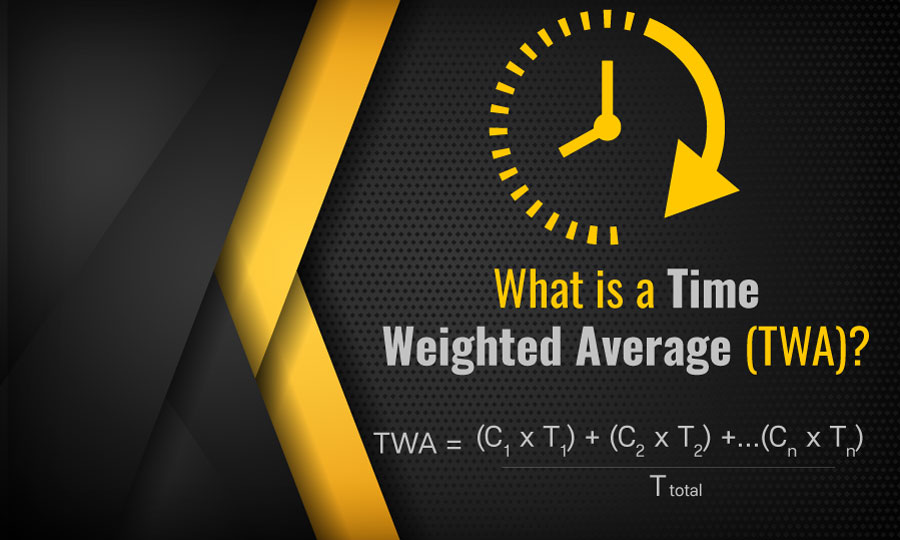
Imagine you’re standing in a busy industrial plant—machines humming, air monitors beeping, workers moving methodically through their tasks. Everything seems normal, but invisible dangers could be lingering in the air. That’s where OSHA’s concept of TWA, or Time-Weighted Average, comes into play. The TWA (Time-Weighted Average) is one of the most important safety measurements established by the Occupational Safety and Health Administration (OSHA) to protect workers from overexposure to harmful chemicals, vapors, dusts, and gases during a typical work shift. Simply put, it represents the average level of a hazardous substance that a worker can be exposed to over a standard 8-hour workday and 40-hour workweek, without experiencing adverse health effects. OSHA sets these limits—known as Permissible Exposure Limits (PELs)—in 29 CFR 1910.1000, Air Contaminants, to ensure that even small, repeated exposures throughout the day stay below toxic thresholds.
To truly understand a TWA, imagine a painter using solvents that release chemical vapors. The air may contain high concentrations of those vapors during certain tasks—like mixing paint or cleaning equipment—but lower levels when the worker is simply prepping surfaces or waiting for paint to dry. Instead of judging safety by a single “snapshot” of exposure, OSHA’s TWA averages those fluctuating levels over the entire shift. This provides a realistic picture of the worker’s total exposure and determines if the environment remains within safe limits. The same principle applies to welders breathing metal fumes, lab technicians handling volatile chemicals, or waste handlers in Hazardous Waste Operations and Emergency Response (HAZWOPER) operations who may encounter hazardous atmospheres intermittently throughout their shift.
OSHA’s Time-Weighted Average concept goes beyond just numbers—it reflects how the body responds to chemical exposure over time. Some substances cause harm only after repeated or prolonged contact, while others can trigger immediate symptoms if levels spike too high. That’s why OSHA also defines related limits, such as the Ceiling (C) exposure, which must never be exceeded even momentarily, and the Short-Term Exposure Limit (STEL), which controls exposure over a 15-minute period. Together, these values create a layered defense against occupational illness, ensuring that both acute and chronic exposures are managed effectively. Employers must measure and document airborne concentrations using industrial hygiene methods like air sampling pumps or real-time monitors, then compare results to OSHA’s PELs. If a worker’s TWA exceeds the limit, the employer must take immediate corrective action—such as improving ventilation, substituting less toxic materials, or providing proper respiratory protection.
In the world of OSHA compliance, understanding TWA isn’t just about following rules—it’s about protecting lives. Over time, exposure to even small amounts of toxic substances can cause irreversible health problems, from lung disease and neurological damage to cancer. The TWA standard ensures that workers aren’t silently accumulating dangerous doses simply because daily peaks go unnoticed. For professionals in HAZWOPER, industrial hygiene, and environmental safety, mastering the meaning of TWA is fundamental to developing effective exposure control programs. It bridges the gap between science and safety, turning data into actionable protection.
In short, the TWA (Time-Weighted Average) is OSHA’s way of ensuring that every breath workers take throughout their shift counts toward their overall health and well-being. It’s not just an average—it’s a promise: that through consistent monitoring, hazard assessment, and control, workers can complete their day safely, go home healthy, and return tomorrow without fear of the invisible hazards that once went unchecked.
Sources
Emergency Response and Preparedness
OSHA HAZWOPER Hands-on Training Requirement
Medical Surveillance Requirements
U.S. Occupational Safety and Health Administration
https://www.osha.gov/laws-regs/standardinterpretations/1992-08-27-1
U.S. Environmental Protection Agency
https://www.epa.gov/laws-regulations/summary-resource-conservation-and-recovery-act
Related Articles
Building a HAZWOPER Safety Culture
HAZWOPER Hands-on Training Discussions with U.S. OSHA