
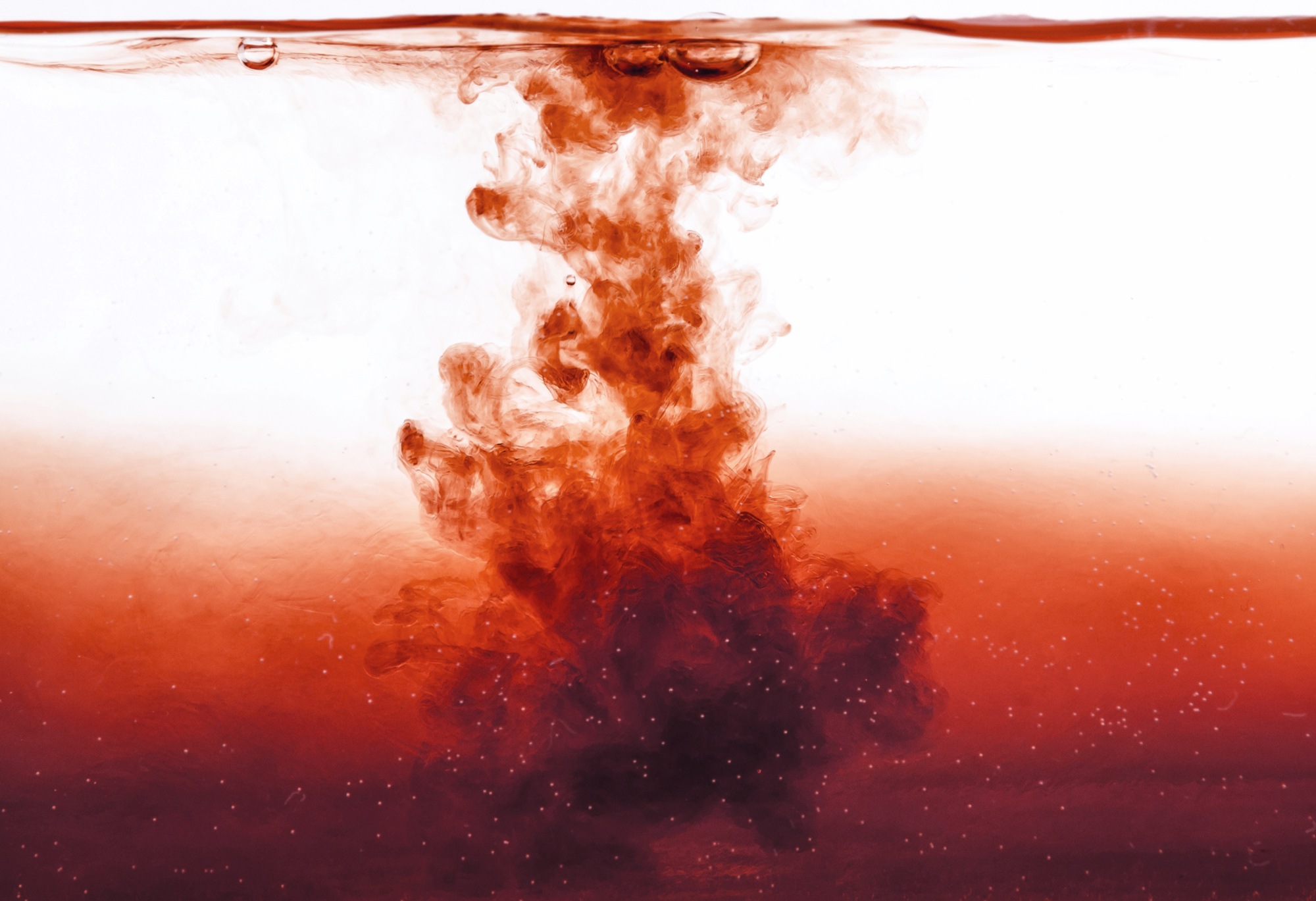
What is a DNAPL? (Dense Non-Aqueous Phase Liquid)
A DNAPL (Dense Non-Aqueous Phase Liquid) is a type of liquid contaminant that is denser than water and does not dissolve easily in it. These substances pose serious environmental risks because they can sink through groundwater and accumulate in difficult-to-reach subsurface zones, making remediation extremely challenging.
1. Characteristics of DNAPLs
- Higher Density than Water: DNAPLs sink below the water table, unlike LNAPLs (Light Non-Aqueous Phase Liquids) such as gasoline, which float.
- Low Solubility in Water: They do not mix well with water, remaining in separate liquid phases.
- Toxic and Persistent: Many DNAPLs are highly toxic, long-lasting, and resistant to natural degradation.
2. Common DNAPL Contaminants
DNAPLs include a variety of industrial chemicals, solvents, and pesticides, such as:
| DNAPL Type | Common Uses |
|---|---|
| Chlorinated Solvents | Used in metal degreasing, dry cleaning, and chemical manufacturing (e.g., trichloroethylene (TCE), tetrachloroethylene (PCE)) |
| Coal Tar & Creosote | Byproducts of coal processing, used in wood preservation |
| Polychlorinated Biphenyls (PCBs) | Used in electrical transformers, banned due to toxicity |
| Pesticides & Herbicides | Persistent contaminants in agricultural and industrial sites |
| Heavy Hydrocarbons | Used in lubricants, plastic manufacturing, and chemical industries |
3. DNAPL Behavior in the Environment
DNAPLs move differently than other contaminants because of their high density and low water solubility:
-
Penetration of Soil and Rock Layers
- DNAPLs sink through the groundwater table instead of floating like oil.
- They migrate downward until they reach low-permeability layers (e.g., clay or bedrock), where they pool and spread.
-
Formation of “Pools” or Residual Contamination
- Once they reach an impermeable layer, DNAPLs spread laterally, creating contamination zones.
- Small amounts remain trapped in soil pores, continuously releasing dissolved contaminants into groundwater.
-
Slow and Long-Term Contamination
- DNAPLs act as a long-term source of groundwater pollution by slowly dissolving over decades.
- Contamination plumes can extend far beyond the original spill site.
4. Risks and Environmental Impact
DNAPLs are among the most challenging groundwater pollutants due to their persistence and toxicity. They can:
- Contaminate Drinking Water Supplies: Small concentrations can exceed Environmental Protection Agency (EPA) safety limits.
- Pose Serious Health Risks: Many DNAPLs are carcinogenic or cause neurological and organ damage.
- Be Extremely Difficult to Remediate: Standard cleanup methods often fail to fully remove DNAPLs from the subsurface.
5. DNAPL Detection and Cleanup
Detection Methods:
- Soil & Groundwater Sampling – Identifies dissolved DNAPL components.
- Laser-Induced Fluorescence (LIF) – Detects DNAPLs in real-time during subsurface investigations.
- Geophysical Surveys – Uses electrical and seismic methods to locate contamination zones.
Remediation Techniques:
| Method | How It Works | Challenges |
|---|---|---|
| Pump-and-Treat | Extracts contaminated groundwater for treatment | Slow, does not remove DNAPL pools |
| Soil Vapor Extraction (SVE) | Removes volatile DNAPLs from the subsurface as vapors | Only works for highly volatile compounds |
| Thermal Treatment | Heats the ground to evaporate DNAPLs | Expensive, requires specialized equipment |
| In-Situ Chemical Oxidation | Injects oxidants to break down DNAPLs | Can be ineffective if DNAPLs are too deep |
| Bioremediation | Uses microbes to degrade DNAPLs over time | Requires specific environmental conditions |
6. Regulatory and Safety Considerations
DNAPLs are highly regulated due to their environmental and health risks. Agencies such as:
- EPA
- OSHA (Occupational Safety and Health Administration)
- CERCLA (Superfund) and RCRA (Resource Conservation and Recovery Act)
impose strict handling, disposal, and remediation requirements for DNAPL-contaminated sites.
Conclusion
DNAPLs are one of the most persistent and hazardous groundwater contaminants due to their ability to sink, spread, and dissolve slowly over time. Their presence in soil and groundwater requires specialized detection and remediation methods, making cleanup efforts complex and long-term.