Summary
A Superfund site is a location in the United States that has been contaminated by hazardous waste and has been identified by the Environmental Protection Agency (EPA) as needing cleanup because the contamination poses a risk to human health or the environment.
These sites can be:
-
Abandoned factories
-
Landfills
-
Mining sites
-
Military bases
-
Industrial areas
-
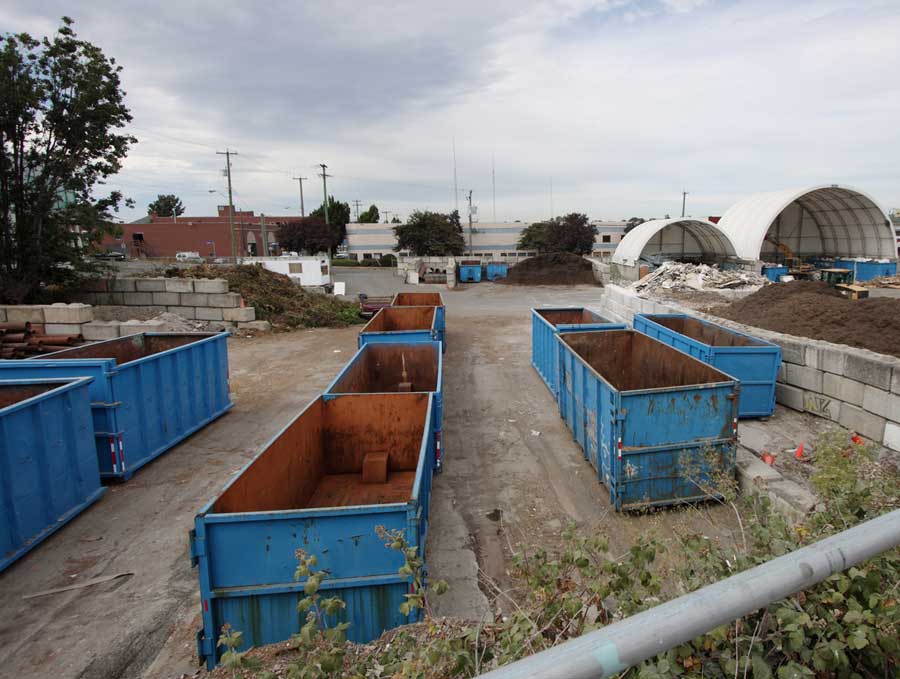
Anywhere hazardous chemicals have been dumped, spilled, or left out
Key Takeaways
- A Superfund site is a contaminated location that may be investigated, managed, or cleaned up under the federal Superfund program established by the Comprehensive Environmental Response, Compensation, and Liability Act (CERCLA).
- Superfund addresses actual or threatened releases of hazardous substances, pollutants, or contaminants that may endanger public health or the environment.
- Not every contaminated property is a Superfund site, and not every Superfund site is listed on the National Priorities List (NPL).
- The National Priorities List identifies sites that EPA considers national priorities among known releases or threatened releases and helps guide further investigation and long-term cleanup decisions.
- EPA may use the Hazard Ranking System (HRS) to evaluate potential risks to people and the environment when considering a site for the NPL.
- Superfund work can involve short-term removal actions, such as addressing an immediate threat, and long-term remedial actions designed to achieve a more permanent cleanup.
- Potentially responsible parties may be required to perform the cleanup or reimburse the government for EPA-led cleanup work.
- Superfund sites may involve contaminated soil, groundwater, surface water, sediment, buildings, drums, tanks, landfills, industrial facilities, mining areas, or abandoned waste-disposal areas.
- Community involvement is an important part of the Superfund process. EPA provides opportunities for public information, comment, and participation during key cleanup decisions.
- A site can be deleted from the NPL when EPA determines that no further response is required to protect human health or the environment, although monitoring, land-use controls, or other safeguards may still remain in place.
- Workers involved in cleanup activities at uncontrolled hazardous waste sites may require Hazardous Waste Operations and Emergency Response (HAZWOPER) training and site-specific instruction based on their duties and potential exposure.
- Superfund cleanups are intended to protect people and the environment while supporting the safe reuse or redevelopment of formerly contaminated properties.
Why “Superfund”?
The term “Superfund” comes from a law passed by the U.S. Congress in 1980 called the:
Comprehensive Environmental Response, Compensation, and Liability Act (CERCLA)
This law was created in response to several environmental disasters in the 1970s, especially the Love Canal crisis in New York, where a neighborhood was built on top of a toxic chemical dump, leading to widespread health problems.
CERCLA created a trust fund (the “super fund”) to pay for the cleanup of these dangerous sites when:
The polluters can’t be found,
The polluters are out of business,
Or they simply refuse to pay.
What Does the Environmental Protection Agency (EPA) Do?
The EPA is a U.S. federal agency responsible for enforcing environmental laws. Under Superfund, the EPA:
Investigates potentially contaminated sites.
Assesses risks to people and the environment.
Prioritizes sites based on the level of danger using the HRS.
Lists the site on the NPL if it’s serious enough.
Oversees cleanup efforts, either by:
-
-
Forcing the responsible parties to clean it up themselves (or pay for it),
-
Or using federal Superfund money to do the work.
-
How Does Cleanup Work?
Once a site is on the NPL:
-
EPA conducts detailed studies to determine how best to clean it up.
-
Cleanup may include removing soil, treating groundwater, sealing off hazardous areas, or long-term monitoring.
-
Local communities are involved in the planning process.
-
Cleanups can take years or even decades.
Who Pays?
-
Ideally, the “responsible parties” (usually companies or individuals who caused the pollution) are held legally and financially liable.
-
If they can’t be found or don’t have the money, the EPA taps into the Superfund trust fund, which was originally financed by a tax on chemical and petroleum industries.
-
As of recent years, Congress has reauthorized some of those taxes to replenish the fund.
Why It Matters
Superfund sites can expose people to toxic chemicals through:
-
Drinking contaminated water
-
Breathing polluted air
-
Contact with toxic soil or water
These exposures can cause cancer, birth defects, nervous system problems, and other serious health issues.
Cleaning them up helps:
-
Protect public health
-
Restore the environment
-
Revitalize local economies (e.g., turning old sites into parks or new developments)
Frequently Asked Questions
What is a Superfund site?
A Superfund site is a contaminated location that is addressed under the federal Superfund program. The program was created by the Comprehensive Environmental Response, Compensation, and Liability Act (CERCLA) to respond to releases or threatened releases of hazardous substances that may endanger public health or the environment.
What does CERCLA stand for?
CERCLA stands for the Comprehensive Environmental Response, Compensation, and Liability Act. Enacted in 1980, CERCLA is commonly called the Superfund law because it established federal authority to investigate and clean up certain hazardous-substance releases.
Is every contaminated site a Superfund site?
No. Many contaminated properties are addressed through state cleanup programs, RCRA corrective action, brownfields programs, underground storage tank programs, or other environmental authorities. A site may be contaminated without being managed under Superfund.
What is the National Priorities List?
The National Priorities List, commonly called the NPL, is EPA’s list of national priorities among known releases or threatened releases of hazardous substances, pollutants, or contaminants. The list helps EPA identify sites that may warrant further investigation and long-term remedial action.
Is every Superfund site on the National Priorities List?
No. Some sites are addressed through Superfund removal actions, enforcement agreements, or other Superfund authorities without being placed on the NPL. The NPL is primarily associated with sites that may require long-term remedial cleanup.
How does EPA decide whether to list a site on the NPL?
EPA generally evaluates sites using the Hazard Ranking System, or HRS, which considers the potential for contamination to affect people and environmental resources. NPL listing also involves a proposed rule, public comment, review of comments, and a final rulemaking process.
What types of contamination may be found at Superfund sites?
Superfund sites may involve hazardous substances in soil, groundwater, surface water, sediment, waste piles, drums, tanks, buildings, landfills, industrial facilities, or abandoned disposal areas. Common contaminants may include solvents, metals, petroleum-related chemicals, pesticides, PCBs, acids, radioactive materials, or other hazardous substances.
What is the difference between a removal action and a remedial action?
A removal action is generally a short-term response used to address an immediate or time-sensitive threat, such as removing drums, securing a site, providing temporary water, or controlling an active release. A remedial action is generally a longer-term cleanup intended to reduce or manage contamination through a more permanent remedy.
Who pays for Superfund cleanup?
EPA seeks to identify potentially responsible parties, which may include current or former owners, operators, waste generators, or transporters. Responsible parties may perform the cleanup themselves or reimburse the government for EPA-led work. When no viable responsible party is available, EPA may use Superfund authority and funding to address the site.
Does being listed on the NPL automatically assign liability?
No. NPL listing does not by itself assign liability or require a specific person or company to take action. It primarily identifies sites that EPA believes warrant further investigation or remedial consideration under Superfund.
Can a Superfund site be removed from the National Priorities List?
Yes. EPA may delete a site from the NPL when it determines that no further response is required to protect human health or the environment. Deletion does not necessarily mean all contamination has been removed; some sites may continue to rely on monitoring, operation and maintenance, or institutional controls.
Do workers at Superfund sites need HAZWOPER training?
Workers involved in hazardous waste cleanup operations at uncontrolled sites may need HAZWOPER training under OSHA’s Hazardous Waste Operations and Emergency Response standard. The required training level depends on job duties, potential exposure, and the type of work being performed.
Can the public participate in Superfund cleanup decisions?
Yes. EPA provides public information and community-involvement opportunities throughout the Superfund process. Depending on the stage of the cleanup, community members may review documents, attend meetings, submit comments, and receive updates about site activities.
Can a cleaned-up Superfund site be reused?
Yes. Many Superfund sites are reused after cleanup or after protective controls are put in place. Possible future uses may include commercial development, industrial operations, renewable-energy projects, parks, wildlife habitat, or other community-beneficial uses consistent with the site’s cleanup plan.