
Toxicology: The 4 Routes of Exposure in HAZWOPER Work
Toxicology is the study of poisons or toxic substances. Target organs are the organs that are primarily impacted by toxic substances. These are often where the highest concentration of the chemical accumulates. The central nervous system, which encompasses the brain and spinal cord, is frequently one of these organs. Symptoms of exposure can include staggering, slurred speech, dizziness, trembling, or any other nervous system component. It’s essential to keep in mind that chemicals can have a systemic delivery and affect any part of the body.
The liver (P450 enzymes) plays a vital role in digesting fats, detoxifying various substances, and storing some sugars. The P450 enzymes oxidize xenobiotics (foreign substances) and allow them to be excreted from the body. However, chronic exposure to specific chemicals can lead to liver problems. If you observe a yellowing of your skin or eyes, it could be a sign of jaundice and liver issues. The skin, the body’s most massive organ by weight, serves as a protective barrier. Nevertheless, toxic substances that penetrate it can have direct access to the bloodstream. Keep an eye out for rashes or other alterations in your skin, which could indicate exposure to toxins.
The kidneys play a crucial role in filtering blood, producing urine, and maintaining the proper acid-base balance. Any issues with urination could be an indication of exposure. The blood and blood forming system carry essential components like oxygen, carbon dioxide, proteins, sugars, and sometimes foreign substances throughout the body. Watch out for infections as a potential exposure indicator.
The reproductive system comprises all organs necessary for fertilization, conception, and gestation. The respiratory system is responsible for regulating oxygen and carbon dioxide levels in the body (aerobic respiration). Any breathing difficulties could signify exposure.
Corrosive substances can directly damage the eyes upon contact. Some toxins can enter the eyes and then travel directly into the bloodstream.
The digestive system is responsible for converting food into energy and eliminating waste materials. If you experience symptoms like cramping or nausea, it could indicate exposure to toxic substances. As the individual who is in direct contact with these chemicals, you are the best judge of whether you’re suffering from chemical exposure. If you’re feeling unwell after working around toxins, it’s essential to inform your doctor. If possible, bring along a list of chemicals from the safety data sheet. Your doctor may not immediately suspect chemical exposure as the cause of your illness unless you inform them about your work environment.
In HAZWOPER (Hazardous Waste Operations and Emergency Response) work, understanding the four routes of exposure is essential for assessing the risk of hazardous substance exposure and implementing effective protection measures. These routes determine how toxic chemicals enter the body and cause adverse health effects. It is also important to know a little about the different government agencies that regulate the field of Toxicology.
Who Regulates the Field of Toxicology?
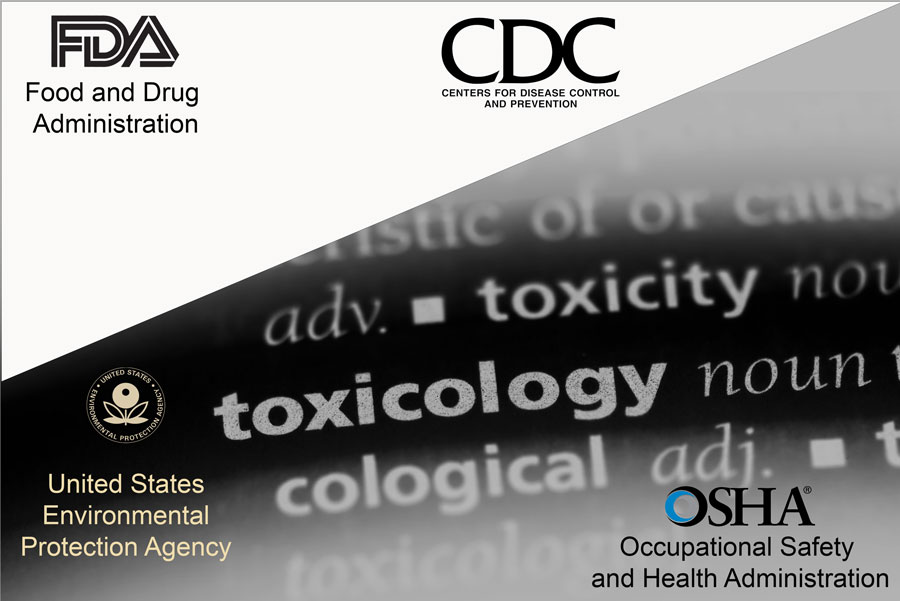
In the United States, toxicology regulation is a shared responsibility among several federal agencies, each focusing on a different aspect of public and environmental health. The Occupational Safety and Health Administration (OSHA) regulates workplace exposure to toxic substances under standards such as 29 CFR 1910.1000, setting Permissible Exposure Limits (PELs) to protect workers from chemical hazards. The Environmental Protection Agency (EPA) oversees environmental toxicology through laws like the Toxic Substances Control Act (TSCA) and Clean Air and Water Acts, ensuring chemicals do not harm ecosystems or the general population. The Food and Drug Administration (FDA) regulates toxicology as it relates to foods, drugs, cosmetics, and medical products, requiring safety testing before market approval and monitoring adverse effects through post-market surveillance. Meanwhile, the Centers for Disease Control and Prevention (CDC)—specifically through its Agency for Toxic Substances and Disease Registry (ATSDR)—conducts toxicological assessments of hazardous waste sites and provides public health guidance on chemical exposures. Together, these four agencies form a comprehensive framework that governs the testing, monitoring, and regulation of toxic substances across the workplace, environment, consumer goods, and public health sectors.
The 4 Routes of Exposure
1. Inhalation (Breathing in Contaminants)
✅ Most common and dangerous route in HAZWOPER work.
🔹 How it Happens:
- Workers breathe in vapors, gases, dusts, mists, or fumes from hazardous substances.
- Can occur in confined spaces, chemical spills, or while handling volatile materials.
🔹 Examples of Hazardous Substances:
- Solvents (e.g., benzene, toluene, xylene) – Can cause nervous system damage.
- Gases (e.g., hydrogen sulfide, chlorine, ammonia) – Can cause respiratory failure or lung damage.
- Asbestos fibers & silica dust – Lead to lung diseases (asbestosis, silicosis).
🔹 Effects:
- Short-term: Irritation of eyes, nose, throat, dizziness, headaches.
- Long-term: Lung disease, cancer, nervous system disorders.
🔹 HAZWOPER Protections:
- Air monitoring for chemical concentrations.
- Respiratory protection (APRs, PAPRs, SCBAs).
- Ventilation systems to remove contaminants from workspaces.
2. Absorption (Through Skin or Eyes)
✅ Occurs when hazardous substances come in direct contact with the skin or mucous membranes.
🔹 How it Happens:
- Handling toxic substances without proper gloves.
- Contact with liquid chemicals, dust, or contaminated surfaces.
- Some chemicals can pass through intact skin and enter the bloodstream (e.g., solvents, pesticides).
🔹 Examples of Hazardous Substances:
- Organic solvents (e.g., benzene, toluene, methanol) – Can enter through skin and cause systemic toxicity.
- Pesticides (e.g., organophosphates, dioxins) – Can be absorbed and affect nervous system function.
- Acids & alkalis (e.g., sulfuric acid, sodium hydroxide) – Can cause chemical burns.
🔹 Effects:
- Skin irritation, rashes, chemical burns.
- Systemic effects if absorbed into the bloodstream (e.g., liver/kidney damage).
🔹 HAZWOPER Protections:
- Personal Protective Equipment (PPE) – Gloves, coveralls, face shields.
- Barrier creams & protective clothing to prevent absorption.
- Decontamination procedures to remove hazardous substances from the skin.
3. Ingestion (Swallowing Contaminants)
✅ Less common in occupational settings but can happen through indirect exposure.
🔹 How it Happens:
- Eating, drinking, smoking, or touching the mouth with contaminated hands/gloves.
- Swallowing airborne dust or particles that settle in the mouth.
- Accidental contamination of food, water, or utensils.
🔹 Examples of Hazardous Substances:
- Heavy metals (e.g., lead, arsenic, mercury) – Can accumulate in the body and cause poisoning.
- Pesticides & industrial chemicals – Affect digestive and nervous systems.
- Polychlorinated biphenyls (PCBs) – Can be ingested from contaminated water or surfaces.
🔹 Effects:
- Gastrointestinal issues (nausea, vomiting, diarrhea).
- Systemic poisoning affecting liver, kidneys, nervous system.
🔹 HAZWOPER Protections:
- Strict hygiene practices (handwashing before eating or drinking).
- Prohibiting food, drinks, or smoking in contaminated areas.
- Using protective gloves and ensuring proper decontamination.
4. Injection (Puncture Wounds or Broken Skin)
✅ Least common but serious when it occurs.
🔹 How it Happens:
- Accidental puncture wounds from contaminated sharp objects (needles, glass, metal).
- Chemical or biological hazards entering through cuts, abrasions, or open wounds.
- High-pressure equipment injecting chemicals under the skin.
🔹 Examples of Hazardous Substances:
- Bloodborne pathogens (HIV, hepatitis B & C) – From needle-stick injuries.
- Toxic chemicals & biological agents – Can enter the bloodstream quickly.
- Industrial oils & pressurized chemicals – Cause internal tissue damage.
🔹 Effects:
- Immediate localized pain, infection, or systemic toxicity.
- Risk of disease transmission if exposed to infectious agents.
🔹 HAZWOPER Protections:
- Use puncture-resistant gloves & proper sharps disposal.
- Avoid handling broken glass or sharp materials with bare hands.
- First aid response for puncture wounds and chemical injections.
Summary: Protection Measures for Each Route of Exposure
| Route of Exposure | Examples of Hazards | Protection Measures |
|---|---|---|
| Inhalation | Gases, vapors, dusts, fumes | Respirators, ventilation, air monitoring |
| Absorption | Solvents, pesticides, acids | PPE (gloves, clothing), decontamination |
| Ingestion | Heavy metals, pesticides | Hygiene, handwashing, food restrictions |
| Injection | Needles, contaminated sharps | Proper disposal, puncture-resistant gloves |
Final Thoughts
Understanding the 4 routes of exposure in HAZWOPER work is essential to prevent toxic exposure and long-term health effects. Using proper PPE, hygiene, and workplace safety procedures significantly reduces the risk of exposure.
Sources
Emergency Response and Preparedness
OSHA HAZWOPER Hands-on Training Requirement
Medical Surveillance Requirements
U.S. Occupational Safety and Health Administration
https://www.osha.gov/laws-regs/standardinterpretations/1992-08-27-1
U.S. Environmental Protection Agency
https://www.epa.gov/laws-regulations/summary-resource-conservation-and-recovery-act
Related Articles
Building a HAZWOPER Safety Culture
Hands-on Training Discussions with U.S. OSHA