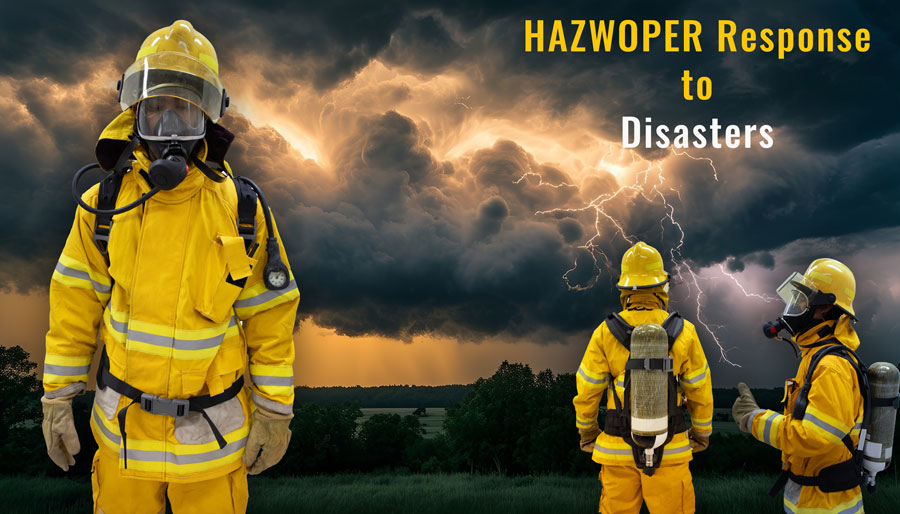
Disasters, whether natural or man-made, often leave behind hazardous conditions that pose serious risks to workers and communities. From hurricanes and wildfires to chemical spills and industrial accidents, these emergencies require trained professionals to handle hazardous materials safely. This is where HAZWOPER (Hazardous Waste Operations and Emergency Response) training becomes crucial.
Why Disaster Cleanup Requires Specialized Training
During disaster cleanup operations, workers may be exposed to various hazards, including:
- Chemical spills and leaks from industrial sites or damaged infrastructure.
- Biological hazards such as mold, sewage, and disease-causing pathogens.
- Toxic debris and contaminated water that pose health risks.
- Structural hazards like collapsed buildings and unstable surfaces.
- Fire and explosion risks due to leaked gases or flammable materials.
Without proper training, workers are at risk of injury, illness, or even fatalities due to exposure to hazardous substances.
Key Benefits of HAZWOPER Training in Disaster Response
1. Protecting Workers’ Health and Safety
HAZWOPER training equips cleanup crews with the knowledge to identify, assess, and mitigate hazards in disaster zones. Workers learn:
- How to use Personal Protective Equipment (PPE) effectively.
- Proper decontamination procedures to avoid cross-contamination.
- How to recognize symptoms of toxic exposure and respond accordingly.
2. Compliance with OSHA Regulations
The Occupational Safety and Health Administration (OSHA) mandates HAZWOPER training for workers involved in hazardous waste operations, including disaster cleanup. Compliance with OSHA 29 CFR 1910.120 ensures:
- Legal protection for employers and workers.
- Reduced risk of fines and penalties.
- Standardized safety procedures across different disaster sites.
3. Effective Emergency Response and Hazardous Material Handling
A disaster cleanup team must be prepared to act quickly and safely when hazardous materials are present. HAZWOPER training provides:
- Emergency response planning to minimize risks.
- Techniques for handling and disposing of hazardous waste properly.
- Knowledge of hazardous material classification and safety measures.
4. Reducing Environmental Impact
Disasters often lead to environmental contamination. Improper handling of hazardous materials can worsen the damage. HAZWOPER-trained workers help:
- Prevent the spread of toxic substances into the soil, water, and air.
- Ensure safe and compliant disposal of hazardous waste.
- Minimize long-term environmental consequences through proper containment strategies.
5. Enhancing Team Coordination and Communication
In disaster zones, effective communication and coordination are essential. HAZWOPER training fosters:
- Collaboration between emergency responders, cleanup crews, and government agencies.
- Clear safety protocols to avoid confusion during high-stress situations.
- Incident command system (ICS) knowledge for structured disaster response.
Real-World Examples of HAZWOPER in Action
Hurricane Katrina (2005)
In the aftermath of Hurricane Katrina, cleanup crews faced widespread toxic floodwaters, chemical spills, and hazardous debris. HAZWOPER-trained responders played a crucial role in decontamination efforts, hazardous waste disposal, and worker protection.
Deepwater Horizon Oil Spill (2010)
The BP oil spill in the Gulf of Mexico was one of the worst environmental disasters in history. Thousands of HAZWOPER certified workers were deployed to contain and clean up hazardous petroleum waste, preventing further damage to marine life and coastal communities.
COVID-19 Pandemic Cleanup (2020-2022)
During the pandemic, HAZWOPER-trained workers assisted in sanitizing contaminated areas, handling biohazardous waste, and implementing infection control measures to protect public health.
Conclusion
HAZWOPER training is not just a regulatory requirement—it is a lifeline for disaster response teams. By ensuring worker safety, environmental protection, and regulatory compliance, HAZWOPER-trained personnel play a vital role in mitigating the dangers of disaster cleanup operations. Whether responding to hurricanes, industrial accidents, or public health crises, having a well-trained team can mean the difference between effective recovery and prolonged disaster consequences.