
PPE in General Industry vs. Construction: Understanding the Similarities and Differences
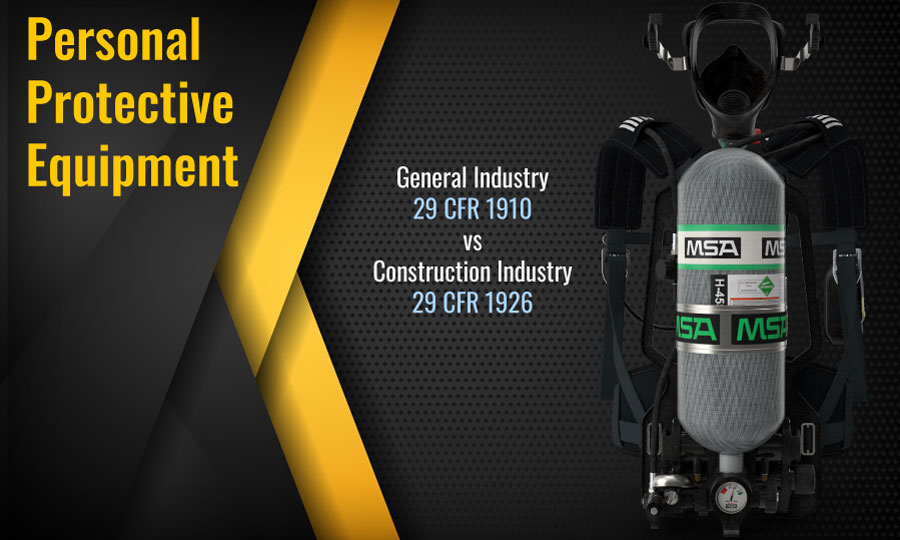
Personal Protective Equipment (PPE) serves as the last line of defense between a worker and a workplace hazard. Whether on a construction site or in a manufacturing plant, PPE protects workers from injuries caused by physical, chemical, biological, and environmental hazards. While the Occupational Safety and Health Administration (OSHA) requires PPE across both General Industry (29 CFR 1910) and Construction (29 CFR 1926) standards, the nature of the hazards—and therefore the type of PPE required—can differ significantly. Understanding the similarities and differences between PPE requirements in these two major sectors helps employers and safety professionals ensure compliance while providing optimal protection for workers.
Similarities in PPE Requirements
At their core, PPE requirements in both general industry and construction are built on the same principles: hazard assessment, selection, maintenance, and training. OSHA mandates that employers in both sectors perform a hazard assessment to identify risks such as falling objects, chemical splashes, noise exposure, or airborne particulates. Once identified, employers must provide appropriate PPE—at no cost to employees—along with training on proper use, care, and limitations. In both industries, the primary categories of PPE are similar: eye and face protection (ANSI Z87.1), head protection (ANSI Z89.1), hand protection (ANSI/ISEA 105), foot protection (ASTM F2413), hearing protection, and respiratory protection (under OSHA 1910.134). Both sectors also emphasize maintaining PPE in a sanitary and functional condition, replacing damaged equipment, and enforcing proper fit and usage.
Another key similarity lies in OSHA’s enforcement philosophy—both industries must follow the General Duty Clause under Section 5(a)(1) of the OSH Act, which requires employers to provide a workplace “free from recognized hazards likely to cause death or serious harm.” This means that regardless of whether a specific PPE standard is listed in 1910 or 1926, employers must still ensure that employees are adequately protected. In both fields, PPE acts as a secondary barrier, complementing engineering controls, administrative policies, and safe work practices to reduce risk.
Differences in Hazards and PPE Selection
The most significant differences between PPE requirements in general industry and construction arise from the types of hazards encountered. General industry includes manufacturing, warehousing, chemical processing, and service industries—environments where hazards are typically stationary and predictable. Workers may face risks from machinery, hot surfaces, chemicals, or electrical systems, so PPE often focuses on chemical-resistant gloves, protective aprons, anti-static clothing, safety glasses, and hearing protection. Respiratory protection is also common in general industry, especially in welding, painting, or laboratory settings where airborne contaminants must be filtered or controlled.
In contrast, the construction industry presents dynamic and evolving hazards that change daily as new phases of work begin. Workers may face fall hazards, struck-by and caught-in-between incidents, heavy equipment movement, high noise levels, and exposure to silica dust or concrete chemicals. As a result, PPE in construction emphasizes hard hats, high-visibility vests, steel-toed boots, gloves with grip or cut resistance, fall arrest harnesses, and safety glasses with side shields. Unlike general industry environments, where hazards are often controlled by containment and ventilation, construction sites rely heavily on personal and situational awareness, making PPE both mandatory and actively used throughout the workday.
Another key difference lies in head and fall protection. While both industries require hard hats when falling objects or head injury risks exist, the construction standard (29 CFR 1926 Subpart E and M) places far greater emphasis on fall protection systems, including body harnesses, lanyards, and lifelines. Construction PPE standards explicitly integrate with fall protection requirements, given the high frequency of falls as a leading cause of fatalities in the industry. Conversely, general industry relies more on guardrails, machine enclosures, or fixed platforms as engineering controls before resorting to personal fall arrest systems.
Differences in Regulatory Standards
Though the function of PPE is similar, OSHA separates its requirements into different regulatory parts for clarity and specificity. General Industry PPE falls primarily under 29 CFR 1910 Subpart I, while Construction PPE is covered under 29 CFR 1926 Subpart E. Both sections reference the same national consensus standards (ANSI, ASTM, and NIOSH), but the construction standards are often broader due to the transient and variable nature of worksites. For example, OSHA 1926 includes provisions for high-visibility clothing under Subpart G (Signs, Signals, and Barricades) and respiratory protection in Subpart Z (Toxic and Hazardous Substances), tailored to outdoor and field operations.
Moreover, training requirements differ slightly. In construction, PPE training must be site-specific and adapted to changing conditions, such as weather, new subcontractors, or evolving hazards. In general industry, PPE training is typically standardized and built into recurring safety programs that address long-term production environments. Employers in both sectors must certify that training has been conducted and that employees demonstrate competency in using their PPE correctly.
Emerging PPE Trends Across Both Industries
Despite their differences, the PPE landscape in both industries is evolving with technology. Smart PPE—such as connected helmets with environmental sensors, noise-detecting earplugs, and wearable fall detectors—is increasingly used in both manufacturing and construction environments. Advances in lightweight, breathable, and ergonomic PPE materials are also bridging the comfort gap, encouraging consistent use. For industries governed by HAZWOPER (29 CFR 1910.120), PPE innovations now include integrated respirators and communication systems for hazardous waste and emergency response, offering a higher degree of safety without compromising mobility.
Conclusion
While the purpose of PPE in both general industry and construction is the same—to protect workers from harm—the nature of hazards, environments, and regulatory expectations sets them apart. General industry PPE focuses on consistent, task-specific hazards like chemicals, noise, and mechanical injuries, while construction PPE addresses shifting, high-risk conditions involving falls, impacts, and moving equipment. Both industries share OSHA’s fundamental PPE principles: assess the hazard, select the right protection, train workers, and maintain the equipment. Ultimately, the effectiveness of PPE lies not just in compliance with OSHA standards but in fostering a culture of safety—one where every worker, regardless of industry, understands that protective equipment is not optional, but essential for going home safe at the end of the day.