

Summary
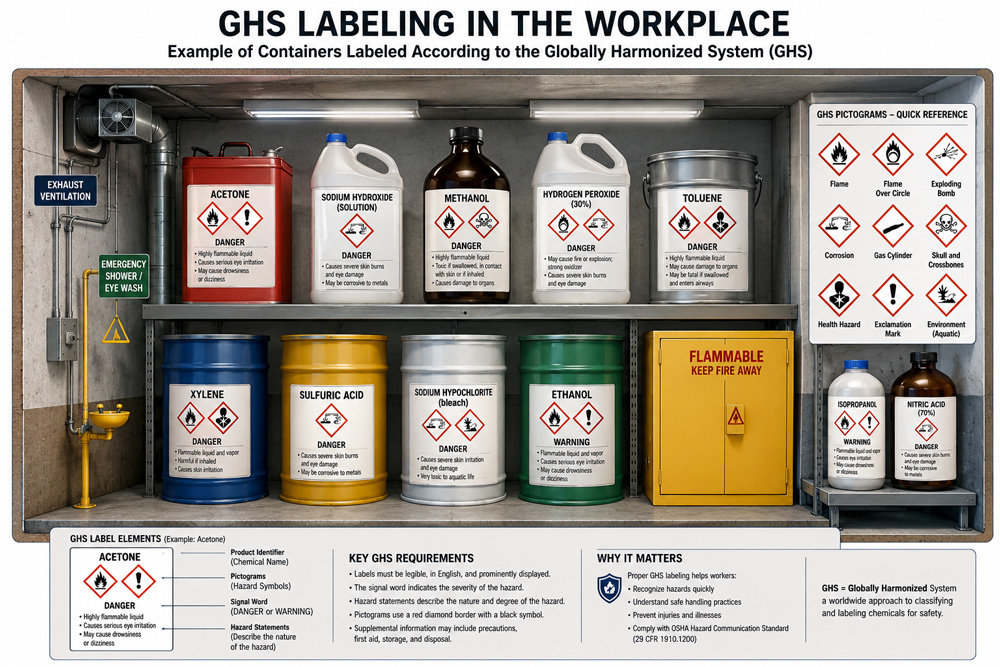
GHS hazard symbols and pictograms are standardized visual warnings used on chemical labels and Safety Data Sheets (SDSs) to communicate important physical and health hazards. Under the Occupational Safety and Health Administration (OSHA) Hazard Communication Standard, a pictogram consists of a black symbol on a white background framed by a red diamond border. Each pictogram alerts employees to a specific category of hazard, such as flammability, corrosivity, acute toxicity, respiratory sensitization, explosive reactivity, compressed gas, or environmental danger.
The purpose of the Globally Harmonized System (GHS) pictograms is to help workers recognize chemical hazards quickly, even before reading the full label or SDS. However, a pictogram is only one part of the hazard communication system. Employers and employees must also review the product identifier, signal word, hazard statements, precautionary statements, and SDS information before using, storing, transporting, or responding to a chemical release.
OSHA recognizes eight GHS pictograms for workplace hazard communication. The environmental pictogram may appear on labels or SDSs, but it is not required by OSHA because environmental hazards are outside OSHA’s jurisdiction. OSHA’s Hazard Communication Standard (HAZCOM) was updated in 2024 to align primarily with GHS Revision 7, reinforcing the importance of clear, standardized chemical labels and safety information.
Key Takeaways
- GHS pictograms are standardized symbols that communicate chemical hazards on labels and SDSs.
- OSHA pictograms use a black symbol on a white background with a red diamond border.
- OSHA recognizes eight pictograms for workplace hazard communication; the environmental pictogram may appear but is not required by OSHA.
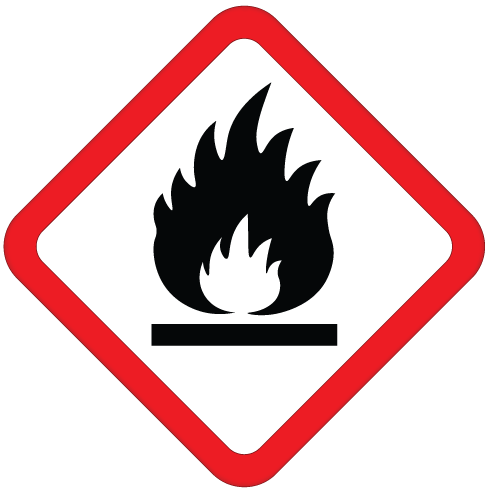
- The flame pictogram warns of flammable gases, aerosols, liquids, solids, self-reactive chemicals, pyrophorics, self-heating materials, chemicals that emit flammable gas, and organic peroxides.
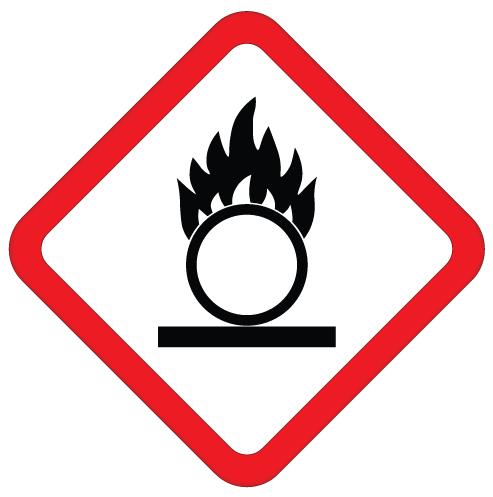
- The flame over circle pictogram identifies oxidizers that can cause or intensify a fire.
- The exploding bomb pictogram identifies explosives, certain self-reactive chemicals, and organic peroxides with explosion hazards.
- The gas cylinder pictogram identifies gases under pressure, including compressed, liquefied, refrigerated liquefied, and dissolved gases.
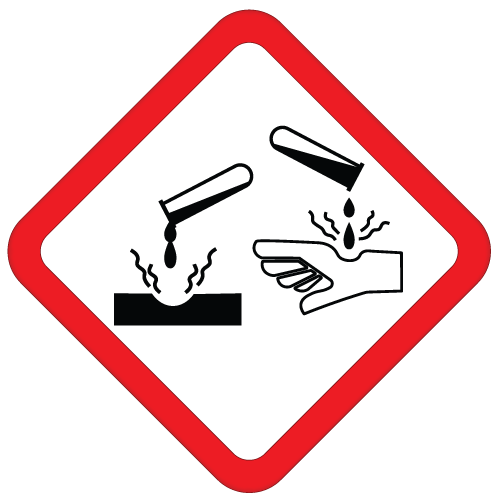
- The corrosion pictogram warns of skin corrosion or burns, serious eye damage, and corrosive effects on metals.
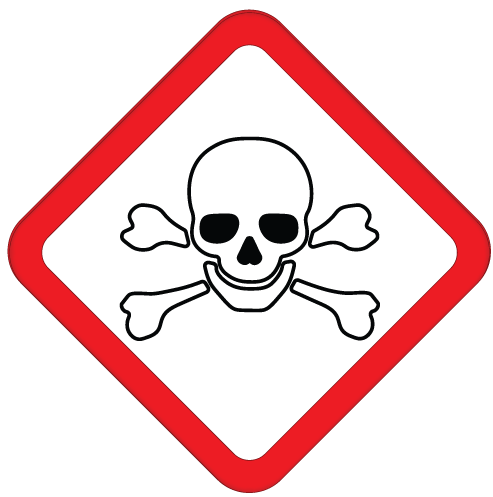
- The skull and crossbones pictogram identifies chemicals that can cause acute toxicity, including potentially fatal or toxic effects after a single exposure.
- The exclamation mark pictogram may indicate irritation, skin sensitization, acute toxicity at harmful levels, narcotic effects, respiratory tract irritation, or other less-severe health hazards.
- The health hazard pictogram warns of serious chronic health effects, including carcinogenicity, respiratory sensitization, reproductive toxicity, germ-cell mutagenicity, target-organ toxicity, and aspiration hazard.
- A pictogram does not explain every risk or tell workers exactly how to work safely; employees must read the entire label and consult the SDS before use.
- OSHA-required chemical labels must include the product identifier, signal word, hazard statement(s), pictogram(s), precautionary statement(s), and supplier identification.
Download PNG Images of Each Pictogram




Download Illustrator File (.ai) For All Pictograms
GHS Pictograms: Quick Reference Guide
| GHS Pictogram | Primary Hazard | Common Examples | What Workers Should Remember |
|---|---|---|---|
| Exploding Bomb | Explosives, self-reactive chemicals, and certain organic peroxides. | Explosive materials, unstable self-reactive chemicals, peroxide-forming compounds. | Protect from heat, shock, friction, sparks, and incompatible materials. |
| Flame | Flammable or fire-reactive materials. | Flammable liquids, aerosols, gases, pyrophorics, self-heating materials. | Keep away from ignition sources and use approved storage and transfer practices. |
| Flame Over Circle | Oxidizers that may cause or intensify fire. | Oxidizing gases, liquids, and solids. | Keep away from fuels, oils, paper, wood, solvents, and other combustibles. |
| Gas Cylinder | Gas under pressure. | Compressed gas, liquefied gas, refrigerated liquefied gas, dissolved gas. | Secure cylinders, protect from heat, and use correct regulators and fittings. |
| Corrosion | Skin corrosion, serious eye damage, or corrosive effects on metals. | Strong acids, strong bases, corrosive cleaners, battery acid. | Use chemical-resistant gloves, eye and face protection, and follow splash-control procedures. |
| Skull and Crossbones | Acute toxicity that may be fatal or toxic after a single exposure. | Highly toxic chemicals, toxic gases, certain pesticides and laboratory reagents. | Avoid inhalation, ingestion, and skin contact; follow strict handling and emergency procedures. |
| Exclamation Mark | Irritation, harmful acute toxicity, sensitization, or respiratory tract effects. | Irritants, skin sensitizers, narcotic-effect chemicals, harmful substances. | Read the label and SDS for the specific exposure route, symptoms, and required PPE. |
| Health Hazard | Serious or chronic health effects. | Carcinogens, respiratory sensitizers, reproductive toxins, aspiration hazards. | Follow exposure controls carefully; health effects may not be immediate or obvious. |
| Environment* | Aquatic toxicity. | Chemicals toxic to fish, aquatic plants, or other aquatic organisms. | Prevent releases to drains, soil, and waterways; follow spill and disposal procedures. |
*Note: The environmental pictogram may appear on chemical labels and Safety Data Sheets, but it is not required by OSHA’s Hazard Communication Standard because environmental hazards are outside OSHA’s jurisdiction.

When is HAZCOM Training Required?
The HAZCOM standard of OSHA was updated in 2012 to align with the GHS of the United Nations. GHS hazard symbols use pictograms to convey information without relying on a specific language. The purpose of GHS is to ensure that people can identify hazardous chemicals in their workplace, understand the dangers involved, and know the precautions they need to take.
GHS Standard
The GHS standard includes 29 hazard classes of chemicals, which are classified into physical hazards (17 classes), health hazards (10 classes), and environmental hazards (2 classes). There are nine GHS pictograms for these hazard classes, and some classes have multiple hazard pictograms that represent similar types and levels of risks.
GHS Pictograms
GHS pictograms are designed to draw attention to a certain type of risk and are one part of a standardized GHS label that provides more information about how to handle each substance safely. The pictograms may also be used on hazard signs to encourage caution in a specific storage or work area.
The four GHS symbols used to warn about health hazards include the toxic symbol, the harmful symbol, the health hazard symbol, and the corrosive symbol. The toxic symbol represents chemicals with the highest levels of acute toxicity. The harmful symbol is used for substances that are harmful or irritating but have less severe health effects than those marked with the toxic symbol. The health hazard symbol is used for substances that present a health hazard over time. The corrosive symbol represents substances that eat away at a material when they make contact.
The five GHS symbols used to warn about physical hazards include the corrosive symbol, the explosive symbol, the flammable symbol, the oxidizing symbol, and the compressed gas symbol. The corrosive symbol represents substances that can corrode materials and can cause skin corrosion or burns, eye damage, or corrosion to metals. The explosive symbol marks a chemical as unstable and capable of causing a fire or explosion. The flammable symbol is used for chemicals that emit flammable gas or could self-ignite. The oxidizing symbol is used for oxidizing solids, liquids, and gases that help ignite substances that would not otherwise combust. The compressed gas symbol is used for compressed gases that can be hazardous due to their high pressure. GHS training is also required by OSHA to be part of the initial Hazardous Waste Operations and Emergency Response (HAZWOPER) training. Specifically, the 40 hour HAZWOPER, 24 hour HAZWOPER and associated HAZWOPER refresher require a module on GHS.
In summary, GHS hazard symbols and pictograms are used to identify and communicate the types and levels of risks associated with hazardous chemicals in the workplace. Understanding the meanings of these symbols is essential for maintaining a safe and healthy work environment.
What to Do When You See a GHS Pictogram
| When You See a Pictogram | What to Do Next | Why It Matters |
|---|---|---|
| Identify the chemical | Read the product identifier and confirm the container label matches the material being used. | Prevents workers from relying on appearance, container color, or assumptions. |
| Read the complete label | Review the signal word, hazard statements, and precautionary statements. | A pictogram is a warning symbol, not a complete work instruction. |
| Review the Safety Data Sheet | Check required PPE, first aid, storage, incompatibilities, spill response, and exposure controls. | The SDS provides the detailed information needed for safe use. |
| Use required controls and PPE | Follow ventilation, storage, handling, and PPE requirements established by the employer. | Controls and PPE reduce the chance of exposure, injury, fire, or release. |
| Ask when unsure | Stop and consult a supervisor, safety professional, or the employer’s Hazard Communication program. | Uncertainty about chemical hazards should never be resolved by guesswork. |
Frequently Asked Questions
What are GHS hazard pictograms?
GHS hazard pictograms are standardized visual symbols used to communicate chemical hazards. They appear on hazardous-chemical labels and may also appear on Safety Data Sheets. Each pictogram represents one or more physical, health, or environmental hazards associated with a chemical.
What does GHS stand for?
GHS stands for the Globally Harmonized System of Classification and Labelling of Chemicals. It was developed to create a more consistent international approach to classifying chemical hazards and communicating those hazards through labels and Safety Data Sheets.
How many GHS pictograms does OSHA use?
OSHA uses eight pictograms under the Hazard Communication Standard. The GHS environmental pictogram may appear on labels or SDSs, but OSHA does not require it because environmental hazards are outside OSHA’s regulatory jurisdiction.
What does the flame pictogram mean?
The flame pictogram warns that a chemical may be flammable or otherwise present a fire hazard. It can apply to flammable gases, aerosols, liquids, or solids; pyrophoric materials; self-heating materials; self-reactive chemicals; organic peroxides; and chemicals that emit flammable gas.
What does the skull and crossbones pictogram mean?
The skull and crossbones pictogram indicates acute toxicity. It warns that exposure to the chemical may cause serious toxic effects or death, depending on the route and level of exposure.
What does the corrosion pictogram mean?
The corrosion pictogram indicates that a chemical may cause skin corrosion or severe burns, serious eye damage, or corrosion of metals. Workers should review the label and SDS to determine required gloves, eye protection, face protection, and handling precautions.
What does the health hazard pictogram mean?
The health hazard pictogram identifies serious or long-term health hazards. It may indicate carcinogenicity, respiratory sensitization, reproductive toxicity, germ-cell mutagenicity, specific target-organ toxicity, or aspiration hazard.
What does the exclamation mark pictogram mean?
The exclamation mark pictogram generally identifies less-severe health hazards than the skull and crossbones. It may indicate skin or eye irritation, skin sensitization, respiratory tract irritation, harmful acute toxicity, narcotic effects, or other health effects described on the label and SDS.
What does the gas cylinder pictogram mean?
The gas cylinder pictogram indicates gas under pressure. This may include compressed gas, liquefied gas, refrigerated liquefied gas, or dissolved gas. Cylinders can rupture if heated and refrigerated gases can cause cryogenic burns or injuries.
What does the flame over circle pictogram mean?
The flame over circle pictogram identifies oxidizers. Oxidizing chemicals may cause or intensify a fire by supplying oxygen or otherwise supporting combustion, even when the chemical itself is not flammable.
What does the exploding bomb pictogram mean?
The exploding bomb pictogram warns of explosion hazards associated with explosives, certain self-reactive chemicals, and certain organic peroxides. These chemicals may react violently because of heat, shock, friction, or other triggering conditions.
Are GHS pictograms the same as DOT HAZMAT labels?
Not always. GHS pictograms are used for workplace chemical hazard communication under OSHA’s Hazard Communication Standard, while DOT hazard labels and placards are used to communicate transportation hazards. A container may display both types of markings when it is being shipped or received.
Does a pictogram tell workers all the precautions they need to take?
No. A pictogram is a quick warning, not a complete safety instruction. Workers should read the full label, review the SDS, follow employer procedures, use required PPE, and receive Hazard Communication training before working with hazardous chemicals.
Are employers required to train employees on GHS pictograms?
Yes. Employers covered by OSHA’s Hazard Communication Standard must provide employees with information and training about hazardous chemicals in their work area, including how to understand labels, pictograms, Safety Data Sheets, and protective measure
Sources
Emergency Response and Preparedness
OSHA HAZWOPER Hands-on Training Requirement
Medical Surveillance Requirements
U.S. Occupational Safety and Health Administration
https://www.osha.gov/laws-regs/standardinterpretations/1992-08-27-1
U.S. Environmental Protection Agency
https://www.epa.gov/laws-regulations/summary-resource-conservation-and-recovery-act
Related Articles
Building a HAZWOPER Safety Culture
Hands-on Training Discussions with U.S. OSHA
PPE Importance in HAZWOPER Operations