
Summary
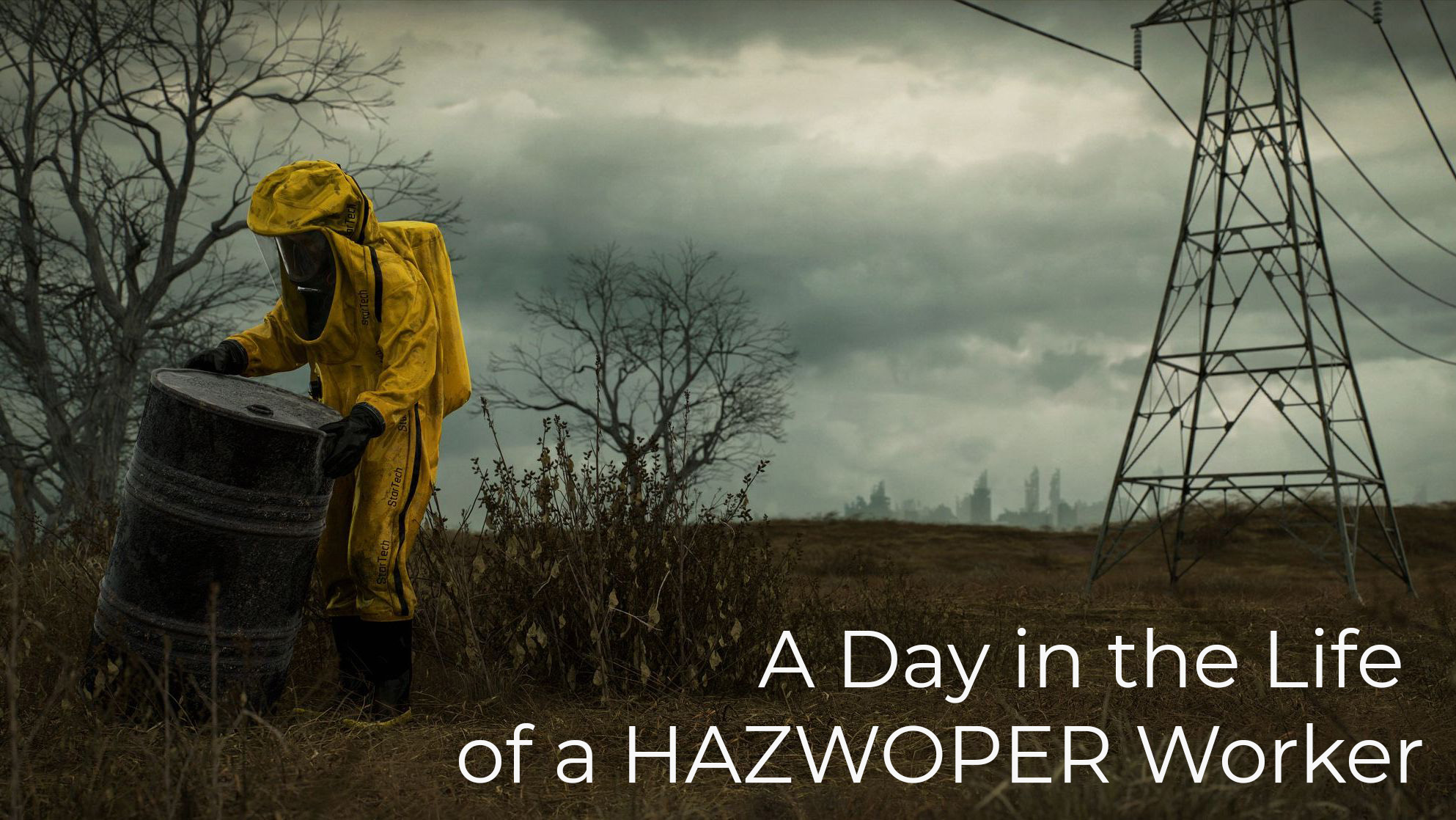
Working as a HAZWOPER certified professional means you’re operating in some of the most hazardous and high-stakes environments out there—from chemical spill zones and waste sites to emergency response situations. But what does a typical day really look like?
Here’s a deep dive into a full day on the job with a HAZWOPER-certified worker—combining structure, safety, and split-second decision-making.
6:30 AM – Pre-Shift Check-In
Before the sun is fully up, the crew arrives at the site. Today’s location? A former industrial plant undergoing environmental remediation after years of solvent leaks.
Everyone checks in with the Site Safety Officer (SSO), signs into the daily roster, and goes through a basic health screening—a new standard in many HAZWOPER worksites. If you’re feeling even a little off, you’re benched for the day. Safety isn’t optional.
7:00 AM – Daily Safety Briefing & PPE Check
The team gathers for a tailgate safety meeting, also called a toolbox talk. The Health and Safety Plan (HASP) is reviewed, along with:
-
The day’s objectives
-
Potential chemical hazards (e.g., VOCs – Volatile Organic Compounds)
-
Wind direction & weather updates
-
Escape routes and emergency procedures
-
Communication channels (radios, hand signals)
Everyone double-checks their Personal Protective Equipment (PPE):
-
Level B suits today (chemical-resistant, with full-face respirators)
-
Nitrile gloves layered under chemical gauntlets
-
Steel-toe boots with boot covers
-
Two-way radios clipped to chest harnesses
If the operation involved unknown vapors or high-risk inhalation zones, Level A PPE with SCBA (Self-Contained Breathing Apparatus) might be required instead.
8:00 AM – Site Entry and Air Monitoring
Before the team enters the exclusion zone, a HAZMAT technician performs air monitoring using:
-
Multi-gas meters
-
PID (Photoionization Detectors)
-
Oxygen level detectors
-
LEL (Lower Explosive Limit) sensors
This determines whether it’s safe to enter and what respiratory protection is required. Today’s readings show elevated VOCs, so respirators stay on.
8:30 AM – Start of Hazardous Waste Operations
Today’s task: excavating contaminated soil from a former solvent storage area. The process involves:
-
Operating a backhoe while spotters ensure safety distances
-
Hand-shoveling near sensitive utility lines
-
Bagging and sealing soil samples for lab analysis
-
Logging each load removed with unique container IDs for manifest tracking (required under RCRA – Resource Conservation and Recovery Act)
Throughout the job, one person is assigned to site documentation—recording equipment used, times of operation, field observations, and air readings every hour.
10:30 AM – Break & Partial Decon
Crews rotate out for breaks in shifts to avoid fatigue in hot PPE. Before entering the clean zone, workers pass through a decontamination line:
Wash boots and gloves with detergent solution,
Remove outer gloves, boot covers,
Inspect respirators and wash exposed gear,
Inside the break zone, workers rehydrate with electrolyte drinks and eat high-energy snacks. Heat stress and dehydration are real concerns, especially in summer.
12:00 PM – Waste Handling & Labeling
By midday, several drums of contaminated soil are ready to be sealed and moved. The waste handling team:
-
Labels each drum with Environmental Protection Agency waste codes
-
Secures lids with drum wrenches
-
Logs materials for the waste manifest system (a federally required tracking process)
These drums will be staged in a containment area until a licensed transporter arrives to move them to a TSDF (Treatment, Storage, and Disposal Facility).
2:00 PM – Final Tasks & Reporting
In the afternoon, the team wraps up excavation for the day and covers the remaining area with a vapor barrier tarp to prevent off-gassing overnight.
Then it’s time for site cleanup:
-
Decon tools and equipment
-
Pack up monitoring devices
-
Scan the work zone for any missed materials or hazards
Meanwhile, the team lead compiles the daily activity report, including:
-
Personnel onsite
-
Tasks completed
-
Safety issues or near misses
-
Waste removed
-
Air monitoring logs
This gets reviewed by the SSO and submitted to the project manager.
4:30 PM – Decon, Debrief, and Clock Out
Full decontamination begins:
-
Respirators are cleaned and checked for filters
-
PPE is either disposed of (if single-use) or sent for laundering
-
Workers shower (if facilities are onsite)
-
Any symptoms or concerns are logged for medical surveillance under Occupational Safety and Health Administration 29 CFR 1910.120
Finally, a quick debrief reviews what went well, any safety improvements, and next-day plans.
The team clocks out and heads home—dirty, tired, but satisfied. Another day of protecting people and the planet, handled with precision and care.
Final Thoughts: It’s More Than a Job
Being HAZWOPER-certified means you’re part of a tight-knit team that handles tough, hazardous, and unpredictable environments with professionalism. It’s physical. It’s mental. And it’s rewarding—because you’re literally cleaning up the world.
FAQ's
What does a HAZWOPER worker do?
A HAZWOPER worker performs tasks at hazardous waste sites or emergency response areas where hazardous substances may be present. Duties may include hazard recognition, air monitoring support, PPE use, site control, decontamination, spill response support, and following the site-specific Health and Safety Plan.
Who needs HAZWOPER training?
Workers who may be exposed to hazardous substances during hazardous waste operations, cleanup activities, emergency response, or work at certain treatment, storage, and disposal facilities may need HAZWOPER training under OSHA 29 CFR 1910.120.
What is a typical day like for a HAZWOPER worker?
A typical day may include a safety briefing, review of site hazards, PPE inspection, air monitoring, assigned work in controlled zones, decontamination, documentation, and end-of-day safety review.
Does a HAZWOPER worker need site-specific training?
Yes. A HAZWOPER certificate provides foundational training, but workers also need site-specific instruction on actual hazards, PPE, emergency procedures, decontamination methods, and site control requirements.
What PPE do HAZWOPER workers use?
HAZWOPER workers may use chemical-resistant clothing, gloves, boots, eye protection, hard hats, respirators, or other PPE depending on the hazards identified in the site Health and Safety Plan.
Why is HAZWOPER training important?
HAZWOPER training helps workers recognize hazards, understand safe work practices, use PPE correctly, respond to emergencies, and reduce the risk of exposure, injury, or regulatory noncompliance.